Water Damage Restoration Havertown, PA
Around-the-clock water damage restoration in Havertown, PA. The extraction crew pumps out basements, pulls water from carpet and hardwood, and dries framing, plaster and foundation walls to the IICRC S500 standard.
(888) 557-1733Flooded basement or split pipe? Call dispatchSump failures, floor drain backups and frozen pipes are treated as urgent at any hour, holidays included.
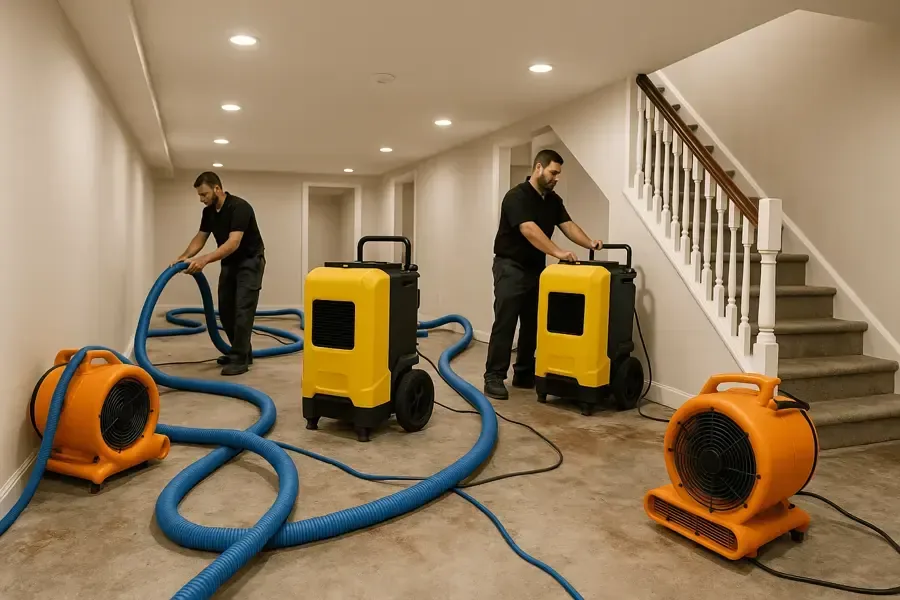
Water Damage Restoration Services in Havertown, PA
Water and sewage only, shaped to a township of railroad-era houses, postwar basements and two creek valleys. Each service page covers the steps, the drying and typical costs.
 Water Extraction and RemovalTruck-mounted and portable units pull standing water from carpet, pad, hardwood and basement concrete before it wicks upward.Open the service page
 Basement Flooding CleanupSeepage, window well overflow and creek runoff pumped out, wet carpet and drywall pulled, foundation walls dried.Open the service page
 Sump Pump Failure CleanupA stuck float, a dead motor or a storm outage floods the pit fast. The basement gets extracted and dried.Open the service page
 Sewage Backup CleanupFloor drain and lateral backups handled as Category 3, porous materials bagged out and surfaces disinfected.Open the service page
 Burst Pipe Water DamageSplit supply pipes inside walls and ceilings shut down, extracted and the cavities opened so framing dries.Open the service page
 Frozen Pipe Water DamagePipes in outside walls and cold corners split in a hard freeze. The water gets traced once they thaw.Open the service page
 Storm and Flash Flood CleanupHeavy rain that rushes off streets and creek banks into lower floors, extracted and treated as contaminated.Open the service page
 Roof Leak and Ice Dam Water DamageLeaks at flashing, valleys and ice dams traced to the attic, soaked insulation removed and ceilings dried.Open the service page
 Ceiling Leak Water DamageUpstairs bath and supply leaks traced, sagging plaster opened safely and the joist bays dried.Open the service page
 Water Heater Leak CleanupBasement tanks that rust through or split spill fast. Water is extracted before boxes and carpet soak.Open the service page
 Appliance and Supply Hose LeaksWasher hoses, dishwasher connections and ice maker tubing leak under floors until the room below shows it.Open the service page
 Structural Drying and DehumidificationFraming, subfloor, plaster and stone or block walls dried to within 2 to 4 points of a dry reference.Open the service page
 Commercial Water DamageShops, offices and apartment buildings along the main roads dried in phases so business keeps going.Open the service page
What to do while water is still coming in
- Stop the source. Close the main shutoff, usually where the water pipe enters the basement wall, or unplug a failed sump pump before touching the pit.
- Kill power to wet areas. If water reaches outlets, cords or the furnace, switch those circuits off at the panel or stay out of the basement.
- Lift what you can. Move boxes, rugs and electronics off the basement floor and put foil or blocks under furniture legs.
- Photograph first. Take wide and close photos of every wet room before anything is thrown out. The adjuster will want them.
- Leave sewage alone. If the floor drain pushed up dark water, keep children and pets away and do not try to mop it.
Dispatch runs every hour of the year, weekends and holidays included.
(888) 557-1733Flooded basement or split pipe? Call dispatchFour things every dry-out here includes
The restoration contractor who responds measures before tearing anything out, dries to a published standard and writes it all down for the insurance file.
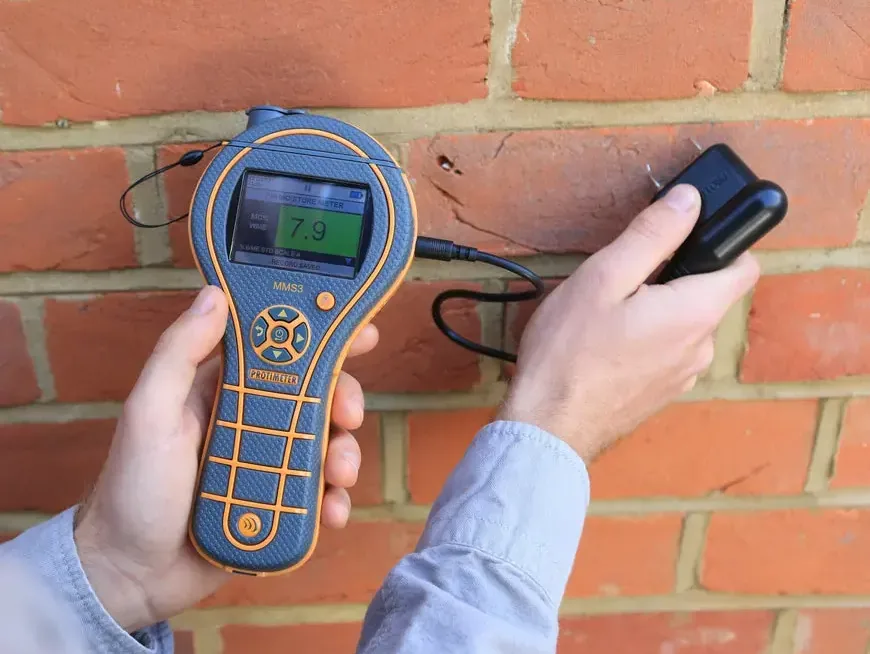
Around-the-clock dispatch
Water in a basement does not wait for Monday. Active losses are treated as urgent at any hour, weekends and holidays included.
Moisture mapping first
Pin and pinless meters and thermal imaging show where water traveled behind plaster and under floors, so only wet material is removed.
Claim-ready records
Timestamped photos, daily readings and a line-item scope are logged from the first visit, the record an adjuster asks for.
Older-house know-how
Plaster walls, stone and block foundations and finished basements in railroad-era and postwar homes each dry in their own way.
Every category of water loss handled the right way
Clean water
Category 1A split supply pipe, a leaking water heater or rain through the roof. Caught early, most of it dries in place with extraction and dehumidification.
See burst pipe water damageGray water
Category 2Washer discharge, a dishwasher overflow or water that sat in a sump pit. Carpet pad usually comes out and surfaces get an antimicrobial.
See appliance hose leaksBlack water
Category 3Sewage from a floor drain backup or creek runoff through a basement door. Porous materials it touched are removed, not dried.
See sewage backup cleanupWater damage dried to the IICRC S500 standard
IICRC S500 is the industry standard for water damage restoration. It treats a loss as a structure problem: find all the water, remove what cannot be saved, then dry the rest and prove it with readings.
Inspect and map
The tech traces the source, sets the water category and maps moisture room by room, including walls, subfloor and the basement slab.
Extract and remove
Standing water comes out first. Wet pad, swollen trim and drywall above the waterline are removed where the readings say so.
Dry and monitor
Air movers and LGR dehumidifiers are sized to the class of loss. Readings are logged every day until materials hit the dry goal.
Verify and document
Equipment leaves only when materials read within 2 to 4 points of a dry reference, and the logs go into the claim file.
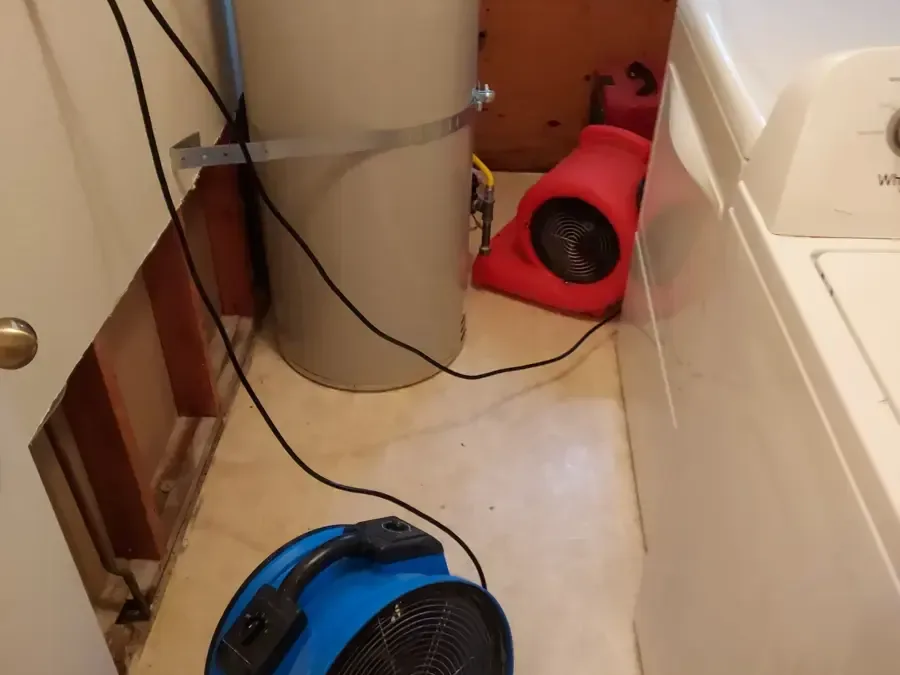
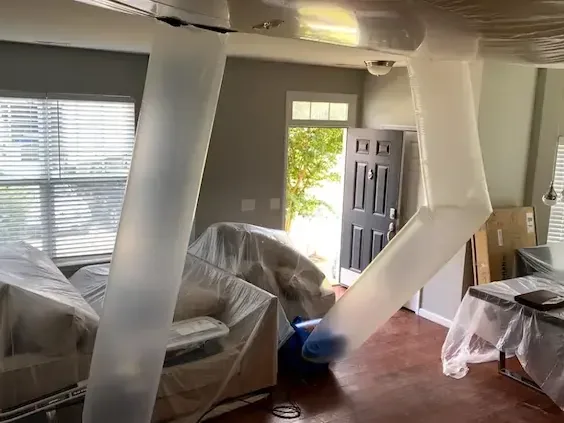
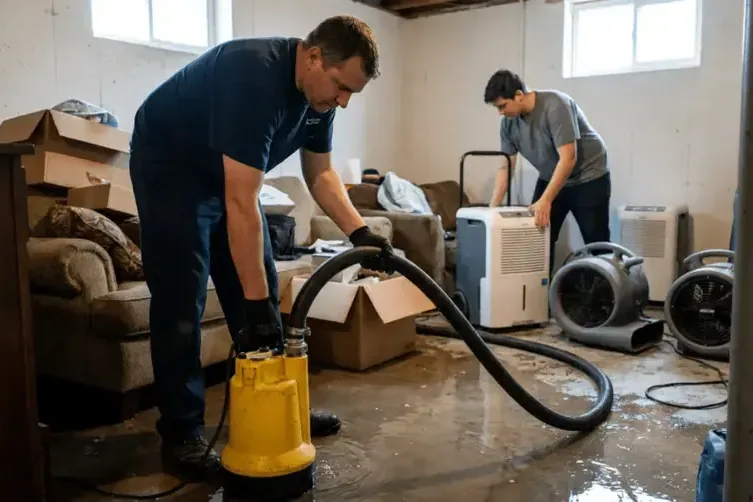
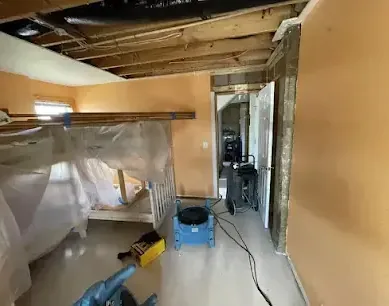
What a water damage dry-out looks like in a township home
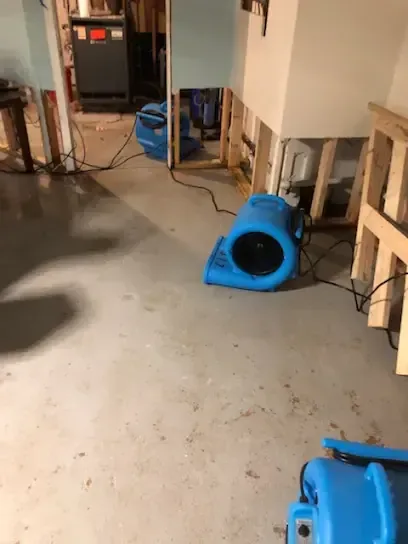
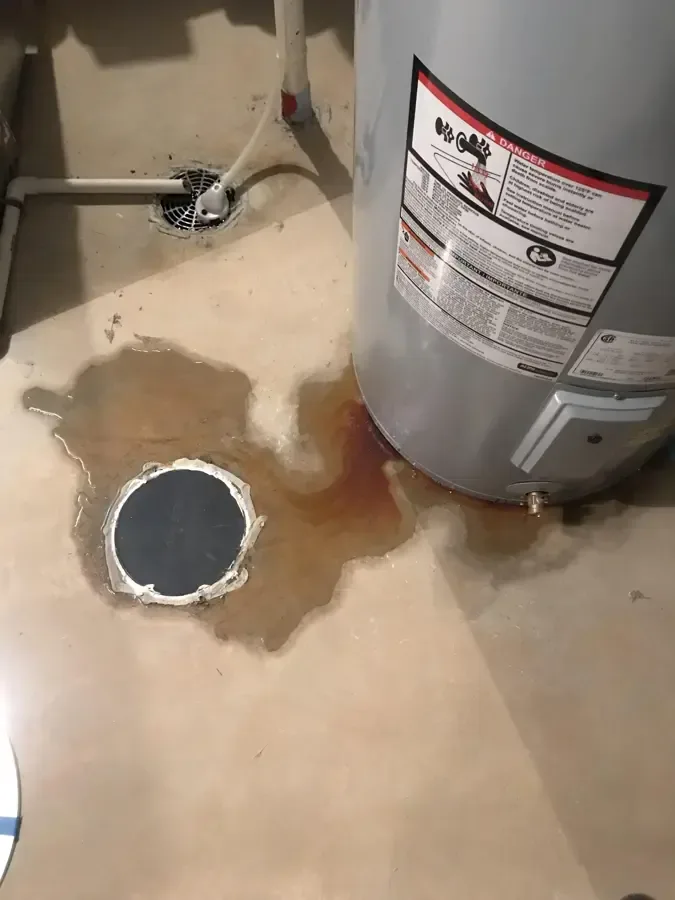
Neighborhoods and ZIP code covered in Havertown, PA
ZIP code
One call puts a drying crew on the road, day or night
From Llanerch at West Chester Pike and Darby Road to Brookline, Manoa and the postwar blocks of Chatham Park, the response team works every street in 19083.
The same crews cover the creek-side streets along Cobbs Creek and Darby Creek, plus the Delaware County boroughs to the south.
Non-urgent email: [email protected]
Find us on Google (888) 557-1733Put a crew on the way to 19083Neighborhoods
Nearby towns
Full coverage list
What does water damage restoration cost in Havertown, PA?
Most jobs here run $1,000 to $9,000, and sewage or creek water across a finished basement can pass $25,000. Water category, square footage, materials and how quickly drying began set the final number.
One room, clean water
- Extraction and drying
- Baseboards pulled
- Daily readings
Finished basement or several rooms
- Carpet and pad removed
- Drywall cut at flood height
- LGR dehumidifiers
Sewage or creek water
- Containment and PPE
- Porous materials removed
- Antimicrobial treatment
These are typical ranges, not quotes. The scope comes from a walkthrough and moisture map, and the cost calculator gives a closer range for a specific loss before anyone visits.
What goes into the claim file
Adjusters pay on documentation. The mitigation team builds the file while the drying runs, so nothing has to be reconstructed later from memory.
- A moisture map of every wet room, wall and floor
- Daily psychrometric logs of temperature and humidity
- Timestamped photos taken before any demolition
- The water category and class of loss, recorded
- A line-item scope of what was removed and why
Check your own policy
Sudden and accidental water, like a pipe that splits in a cold snap, is often covered under a standard homeowners policy.
Sump pump overflow and sewer backup usually need a separate endorsement, and creek or surface flooding needs flood insurance. Read your declarations page or ask your agent.
Why Havertown homes take on water
The township's railroad suburbs began with Llanerch in 1897 and Brookline in 1909, and its population grew from 6,631 in 1920 to 39,641 by 1950. Houses from both eras commonly sit over basements, where most water ends up.
Late 2012: three small dams on Darby Creek, which runs along the western township edge beside Interstate 476, were removed because they were contributing to flooding in the area.
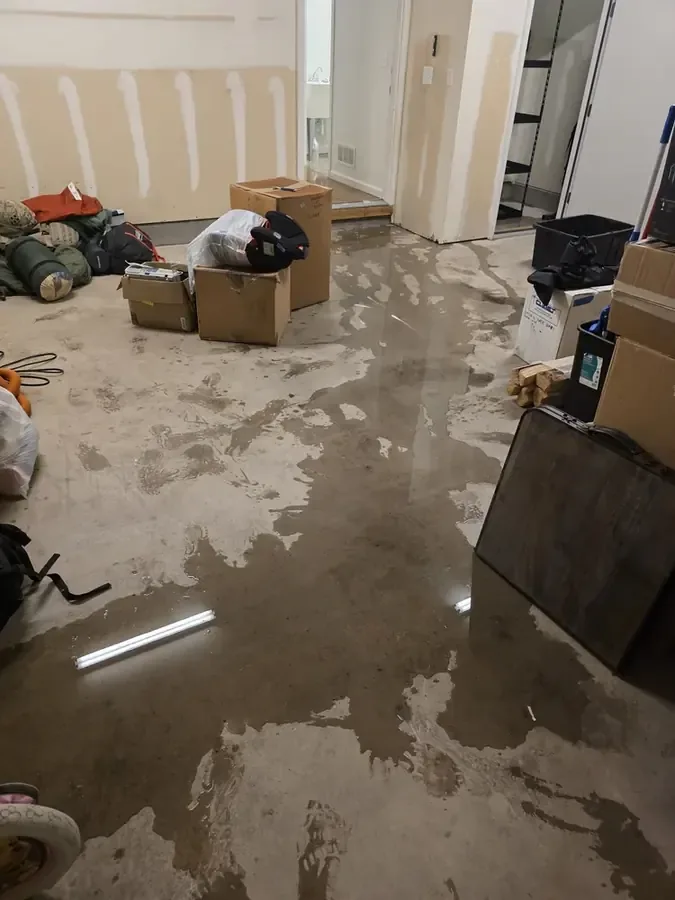
Basements in every era.
Older houses commonly sit on stone or block foundations, and postwar homes often finished the lower level. Both take seepage in long, soaking rain.
Two creek valleys.
Cobbs Creek marks part of the eastern edge and Darby Creek the western one, and Naylors Run and Meadowbrook Run also run through the township. Low streets near them get runoff first.
Hard freezes.
Pipes in outside walls, porches and cold basement corners split in a deep cold snap, and the leak shows only when the ice thaws.
Snow at the curb.
Plows push snow back to the curb to clear storm inlets, but a fast thaw with rain still sends meltwater toward window wells and basement doors.
Aging drains and laterals.
Cast iron and clay drain pipe under older houses cracks and clogs with roots, so a heavy storm can push sewage up through the floor drain.
Water damage questions from Havertown homeowners
Water on the basement floor now?
Shut off the main if it is safe, then call. The drying team brings pumps, extraction units, meters and LGR dehumidifiers.
(888) 557-1733 Talk through the wet basement nowHow fast does a crew respond to water damage in Haverford Township?
Dispatch runs 24/7, and active water is treated as urgent at any hour. Response depends on the hour, weather and how many homes a storm hit, so call as soon as water appears.
Does homeowners insurance cover a flooded basement?
It depends on the source. A burst pipe is often covered, sump overflow and sewer backup usually need an endorsement, and creek or surface water needs flood coverage. Check your own policy.
Why do basements here flood in heavy rain?
Saturated soil pushes water through foundation joints and cracks, window wells fill when their drains clog, and downspouts that empty against the house feed the problem.
How long does drying take?
Most contained losses dry in three to five days. Finished basements, plaster and stone or block walls take longer, and equipment stays until readings, not the calendar, say dry.
What is the IICRC S500 standard?
It is the industry standard for water damage restoration. It sets how water is categorized, how drying is planned and monitored, and when a structure counts as dry.
What should I do before the crew arrives?
Stop the water at the main, cut power to wet areas, lift belongings off the floor and photograph everything. Do not start tearing out drywall or carpet first.
When does drywall have to come out?
When readings show it is saturated, when the water was Category 3, or when water got trapped behind it. Clean water caught early can often be dried in place.
Why is a sewage backup handled differently?
Floor drain backups carry bacteria and are Category 3 from the start. The crew wears PPE, removes porous materials above the waterline and applies an EPA-registered antimicrobial.
How is the cost figured?
By water category, square footage, the materials involved, the class of loss and how fast drying started. The walkthrough and moisture map set the line-item scope.
Can frozen pipes cause damage after they thaw?
Yes. Ice can split a pipe without leaking until it melts. After a cold snap, watch ceilings, outside walls and the basement for drips, and shut the main if water appears.
Water in a Havertown basement tonight? Start the dry-out now.
Extraction, structural drying and a claim-ready file, around the clock, from Llanerch to Chatham Park.
(888) 557-1733Start the dry-out before it wicks higher